 English
 русский
Choosing the right 395 Clutch assembly for your vehicle is a crucial decision for ensuring optimal performance, durability, and safety. A clutch assembly is a central component in the power transmission system of a vehicle, responsible for connecting and disconnecting the engine from the transmission system. Selecting the correct model can prevent costly repairs, improve fuel efficiency, and ensure smoother operation.
Understanding the role of a 395 Clutch assembly
The 395 Clutch assembly serves as the interface between the engine and the transmission. Its primary function is to allow controlled transfer of power from the engine to the drivetrain while enabling smooth gear shifts. An improperly selected clutch assembly can lead to problems such as slipping, premature wear, or even damage to the transmission system.
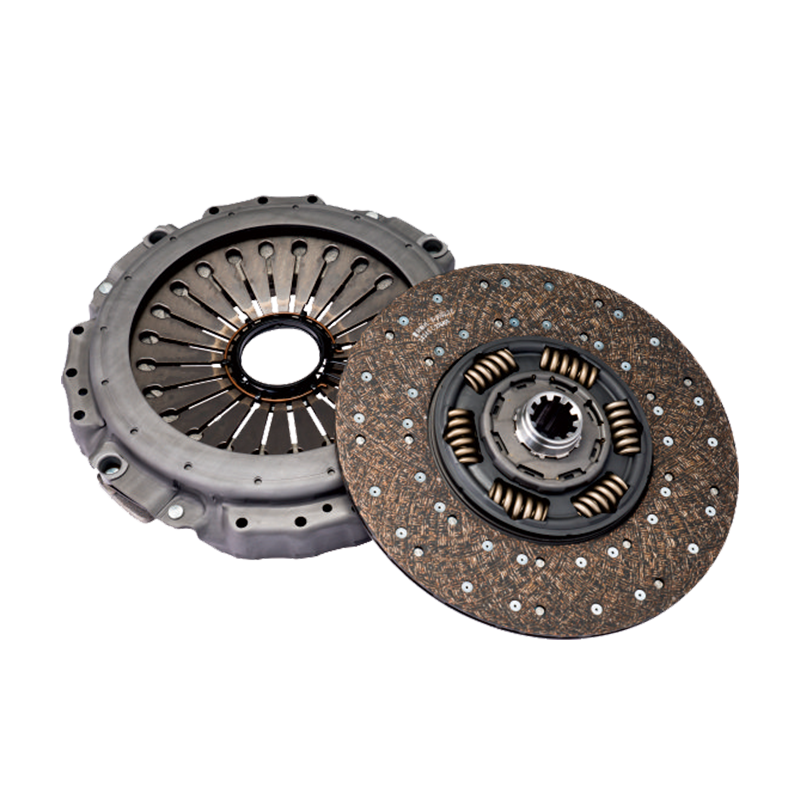
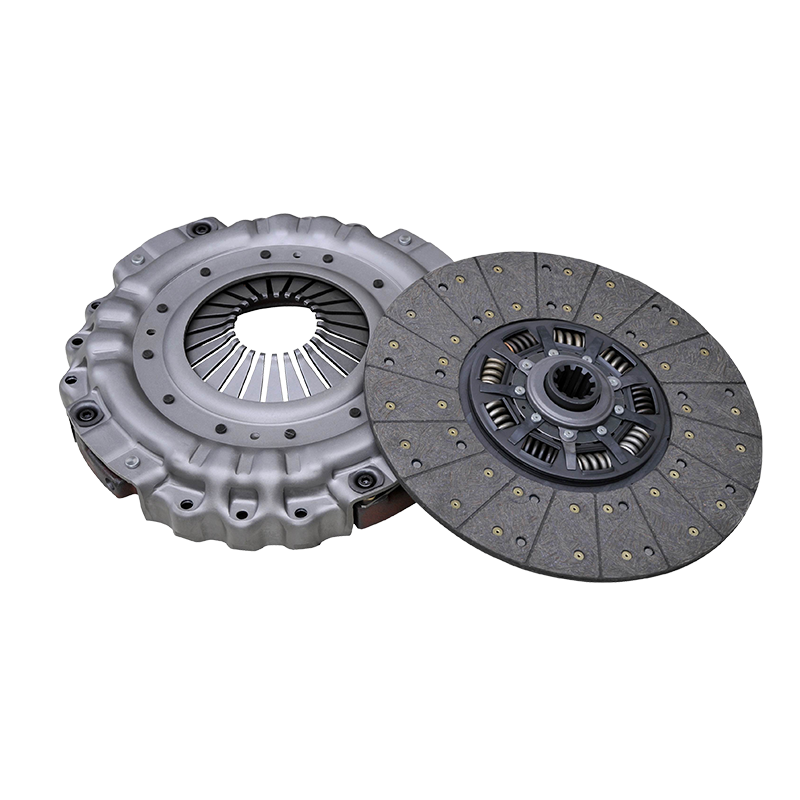
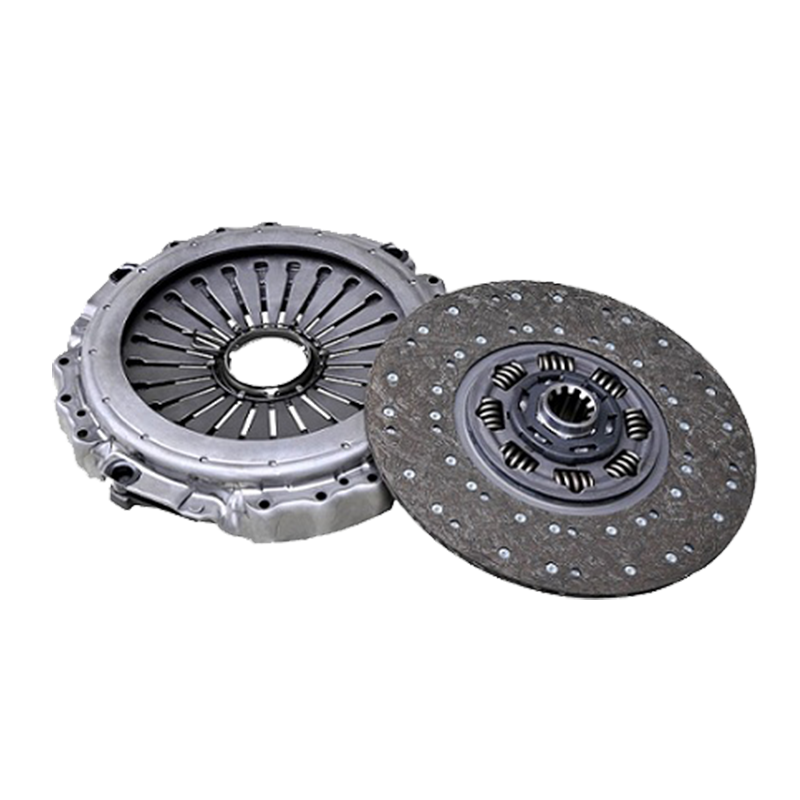
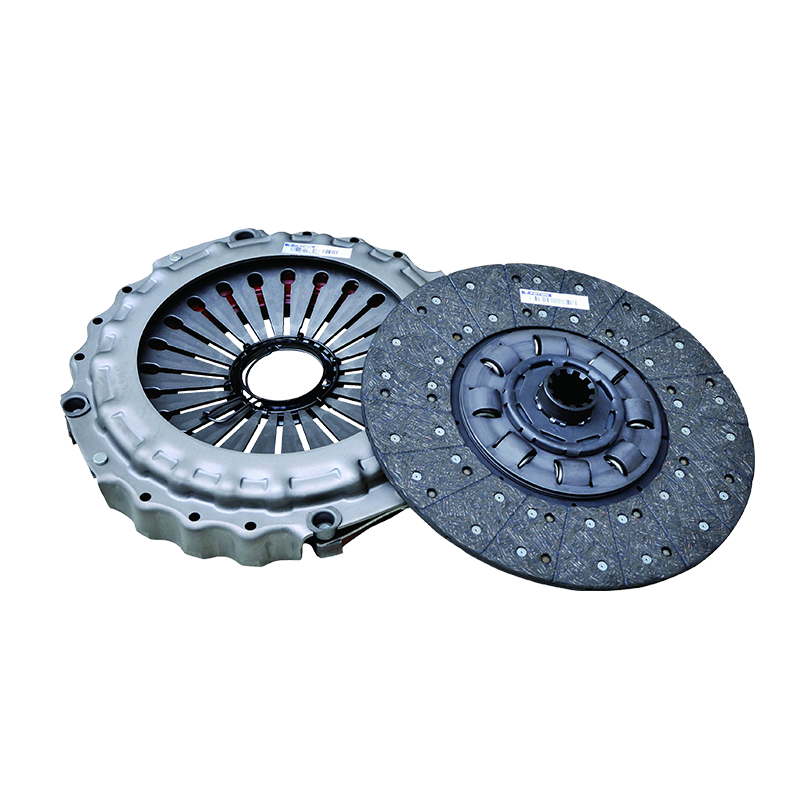
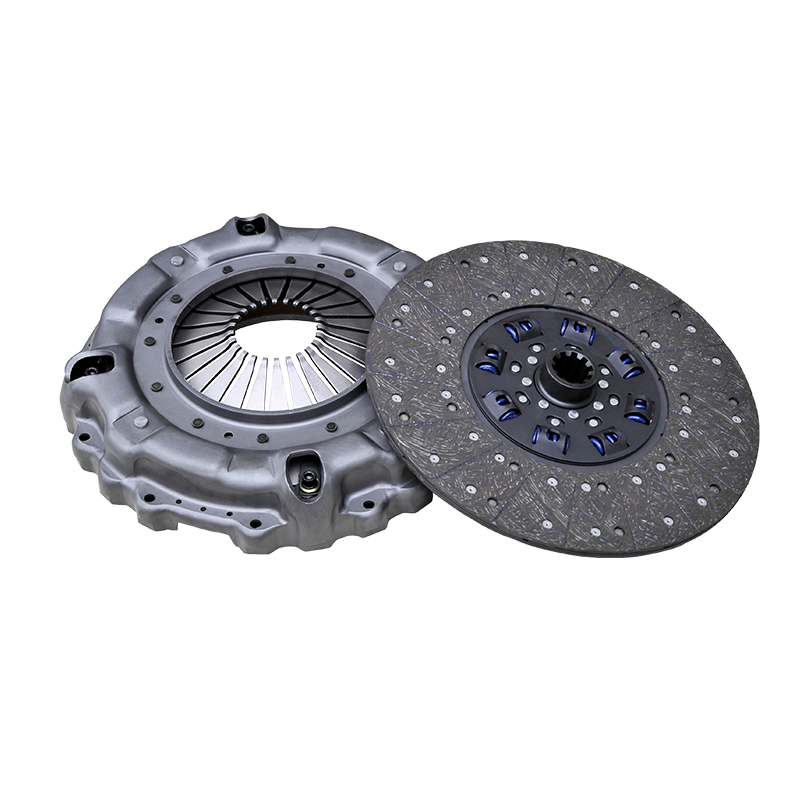
The key components of a 395 Clutch assembly typically include: the pressure plate, clutch disc, release bearing, and flywheel interface. Each of these components plays a role in torque transmission, heat dissipation, and mechanical stability. Understanding these elements is critical when evaluating the suitability of a clutch assembly for a specific vehicle model.
Key factors to consider before choosing a 395 Clutch assembly
Selecting the appropriate 395 Clutch assembly involves multiple considerations that affect compatibility, performance, and longevity. The following factors should guide the decision-making process:
Vehicle type and application
The type of vehicle—whether passenger car, light commercial vehicle, or heavy-duty truck—affects the specifications of the clutch assembly required. For instance, a light-duty passenger car may require a clutch assembly optimized for smooth engagement and fuel efficiency, whereas a heavy-duty truck may require a clutch assembly that can handle higher torque loads and resist overheating under prolonged use.
Engine and transmission compatibility
Not all 395 Clutch assembly models are universally compatible with every engine and transmission configuration. Factors such as engine displacement, torque output, and transmission type (manual or semi-automatic) influence clutch selection. It is critical to match the clutch assembly’s torque rating and size with the vehicle’s engine characteristics to prevent operational issues.
Durability and material quality
The material composition of the 395 Clutch assembly significantly affects its durability. High-quality friction materials on the clutch disc, robust pressure plates, and precision-engineered release bearings enhance longevity and resistance to wear. Buyers should prioritize assemblies made from reliable materials capable of withstanding heat, friction, and stress over extended periods.
Driving conditions and usage patterns
Driving habits and operating environments impact the choice of a 395 Clutch assembly. Vehicles used primarily in urban traffic with frequent stop-and-go conditions may require a clutch assembly optimized for smoother engagement and reduced pedal effort. Conversely, vehicles used in heavy load or off-road conditions require a clutch assembly that can handle higher torque and resist overheating.
Warranty and service support
While selecting a 395 Clutch assembly, it is essential to consider the warranty coverage and availability of service support. A reliable warranty indicates confidence in product quality and ensures that buyers can obtain replacements or repairs if defects or failures occur.
Understanding technical specifications of 395 Clutch assembly
Technical specifications are a critical aspect of evaluating a clutch assembly. These specifications provide insight into the assembly’s performance and compatibility with a particular vehicle model.
Torque capacity
The torque capacity of a 395 Clutch assembly determines the maximum engine torque it can handle without slipping or damage. It is important to select an assembly that exceeds the vehicle engine’s maximum torque output to ensure safe operation and prevent premature wear.
Clutch disc size and thickness
The clutch disc diameter and thickness influence the engagement characteristics and durability of the 395 Clutch assembly. Larger discs can dissipate heat more effectively and provide higher torque capacity, while thickness affects wear resistance. Ensuring the clutch disc matches the vehicle’s flywheel and pressure plate dimensions is essential.
Pressure plate design
The design of the pressure plate affects the force applied to the clutch disc and the engagement smoothness. Modern 395 Clutch assembly designs may include diaphragm springs or multi-spring arrangements, each offering different engagement characteristics. Choosing the appropriate design depends on driving style, load requirements, and engine torque output.
Release bearing and actuation mechanism
The release bearing in a 395 Clutch assembly enables smooth disengagement of the clutch when the pedal is pressed. Bearings with higher-quality materials and precise engineering reduce wear and vibration. Additionally, understanding the actuation mechanism—hydraulic or mechanical—ensures compatibility with the vehicle’s control system.
Practical tips for selecting the right 395 Clutch assembly
To simplify the selection process, consider the following practical tips when choosing a 395 Clutch assembly:
- Refer to manufacturer specifications: Consult the vehicle’s service manual or manufacturer guidelines for recommended clutch specifications.
- Match torque ratings: Ensure the clutch assembly’s torque rating meets or exceeds the engine’s maximum output.
- Consider material quality: Prioritize assemblies with durable friction materials, heat-resistant pressure plates, and robust release bearings.
- Review user feedback: Assess reviews from other buyers to understand real-world performance and reliability.
- Check compatibility: Verify that the assembly fits the vehicle’s transmission type and engine configuration.
- Assess driving conditions: Select a clutch assembly suitable for urban, highway, or heavy-duty use.
Buyer-focused considerations for 395 Clutch assembly
From a buyer perspective, practical considerations can significantly influence satisfaction and long-term performance of the 395 Clutch assembly.
Cost versus value
While cost is an important factor, focusing solely on price can lead to purchasing substandard products. Investing in a high-quality 395 Clutch assembly may result in longer service life and fewer maintenance issues, providing better long-term value.
Warranty and service options
A comprehensive warranty and accessible service options enhance buyer confidence. Buyers should ensure that replacement parts and technical support are readily available for the specific 395 Clutch assembly they choose.
Availability and delivery
For urgent repairs or replacements, the availability and shipping time of the 395 Clutch assembly are critical. Ensuring the chosen assembly can be sourced quickly can minimize downtime and avoid operational delays.
Resale and aftermarket considerations
Choosing a well-known and widely compatible 395 Clutch assembly can positively impact vehicle resale value. It also ensures that aftermarket parts and service options remain accessible over time.
Industry knowledge and emerging trends
The clutch assembly industry continues to evolve with advances in material science, manufacturing technology, and performance design. Understanding these trends can guide informed decisions when selecting a 395 Clutch assembly.
Material innovations
Modern 395 Clutch assembly designs increasingly incorporate advanced friction materials that resist heat and wear. These materials extend the operational life of the assembly and enhance performance under high-stress conditions.
Performance optimization
Manufacturers focus on optimizing clutch assembly performance for smoother engagement, reduced pedal effort, and minimal vibration. Selecting a clutch assembly that incorporates these design improvements can enhance vehicle drivability.
Environmental considerations
Efficient clutch assemblies contribute to reduced fuel consumption and lower emissions by improving power transmission efficiency. Choosing a high-performance 395 Clutch assembly aligns with both operational efficiency and environmental responsibility.
Standardization and quality certifications
Industry standards and certifications play a significant role in ensuring 395 Clutch assembly quality. Buyers should prioritize assemblies that comply with recognized standards, indicating consistent manufacturing quality and reliability.
Comparison table: key factors in selecting 395 Clutch assembly
| Factor | Importance | Recommended Approach |
|---|---|---|
| Torque capacity | High | Match or exceed engine torque output |
| Clutch disc material | High | Use heat-resistant friction materials |
| Pressure plate design | Medium | Consider diaphragm vs. multi-spring based on load |
| Release bearing | Medium | Choose precision-engineered, durable bearings |
| Driving conditions | High | Urban vs. heavy-duty load requirements |
| Compatibility | High | Ensure fit with transmission and engine type |
| Warranty | Medium | Select assemblies with comprehensive coverage |
Conclusion
Choosing the right 395 Clutch assembly for your vehicle model requires a careful balance of technical knowledge, practical considerations, and awareness of industry trends. By evaluating factors such as vehicle type, engine compatibility, material quality, and driving conditions, buyers can ensure optimal performance, durability, and reliability. Emphasizing torque capacity, clutch disc and pressure plate design, and release bearing quality further refines the selection process.
Investing time in understanding these aspects not only protects the vehicle’s drivetrain but also enhances overall driving experience and long-term maintenance efficiency. Ultimately, a well-chosen 395 Clutch assembly provides smoother gear engagement, reliable performance, and extended operational life, making it a critical component for vehicle owners and operators.
 English
  No.25, Hu Chuang Road, New District Industrial Park, Suzhou, Jiangsu, China.
  +86-13338663262
