 English
 русский
Maintaining a heavy duty truck 430 pull clutch assembly is crucial for ensuring the longevity and efficiency of commercial trucks. As a critical component of the drivetrain system, the clutch assembly directly affects vehicle performance, fuel efficiency, and overall operational safety.
Understanding the role of a heavy duty truck 430 pull clutch assembly
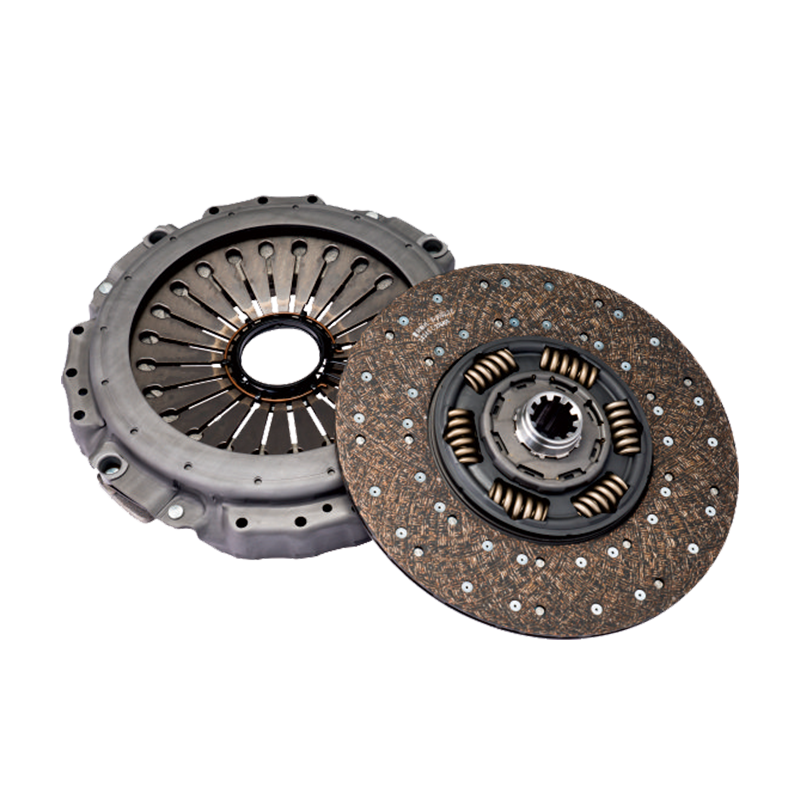
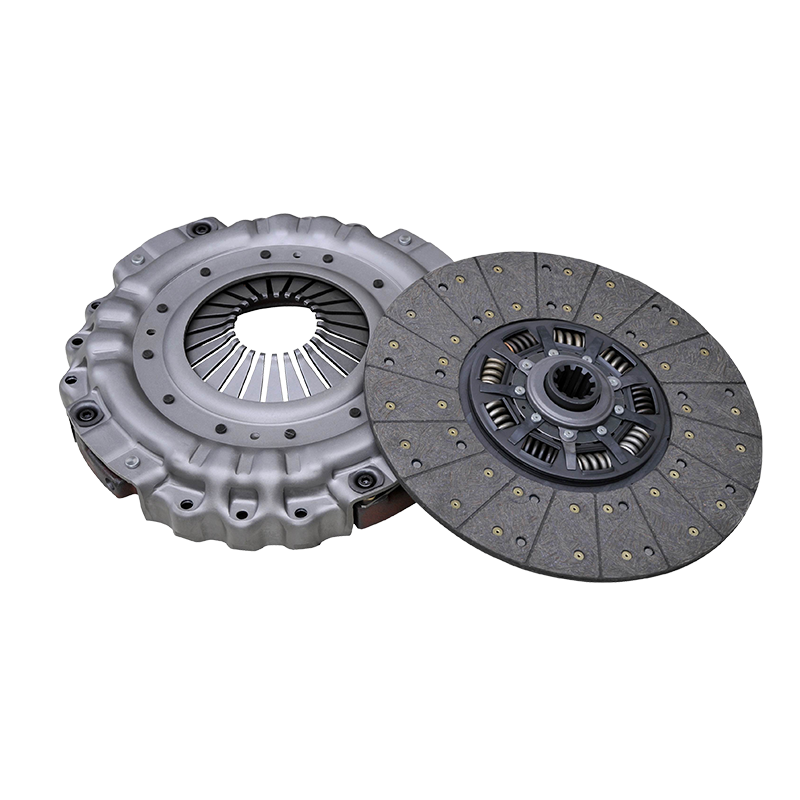
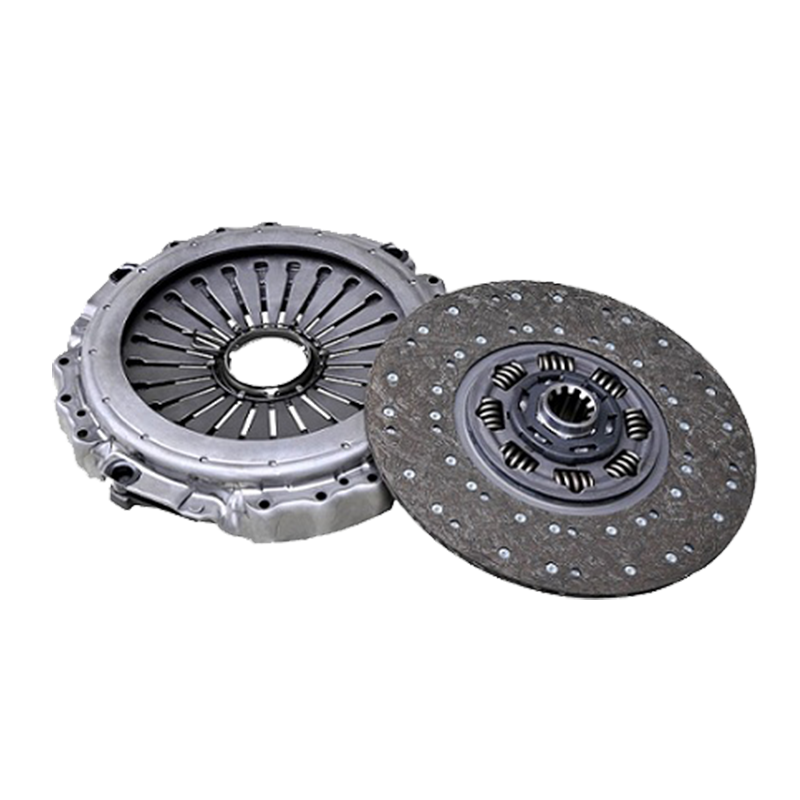
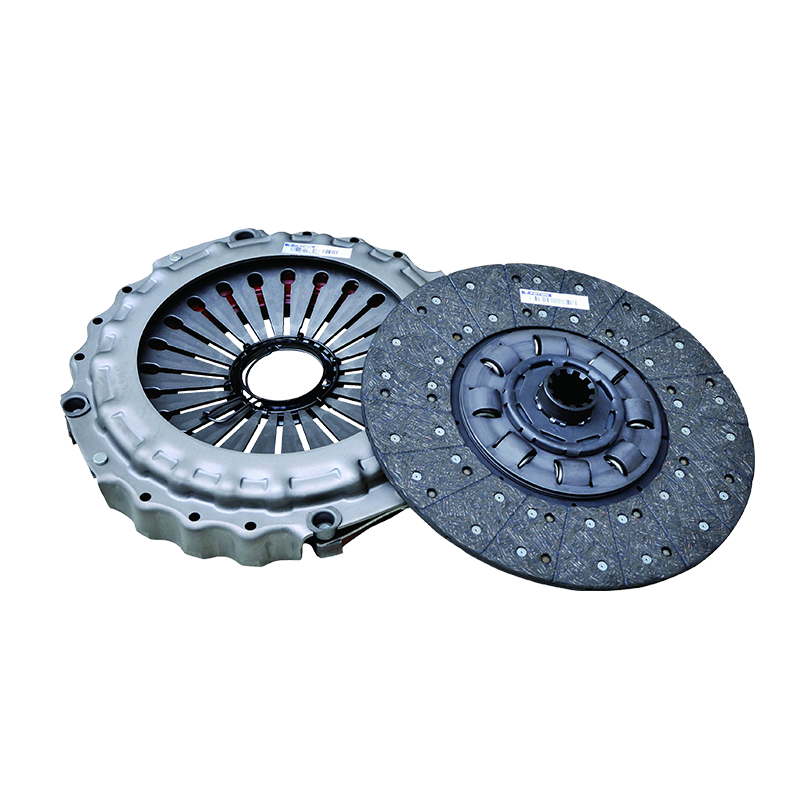
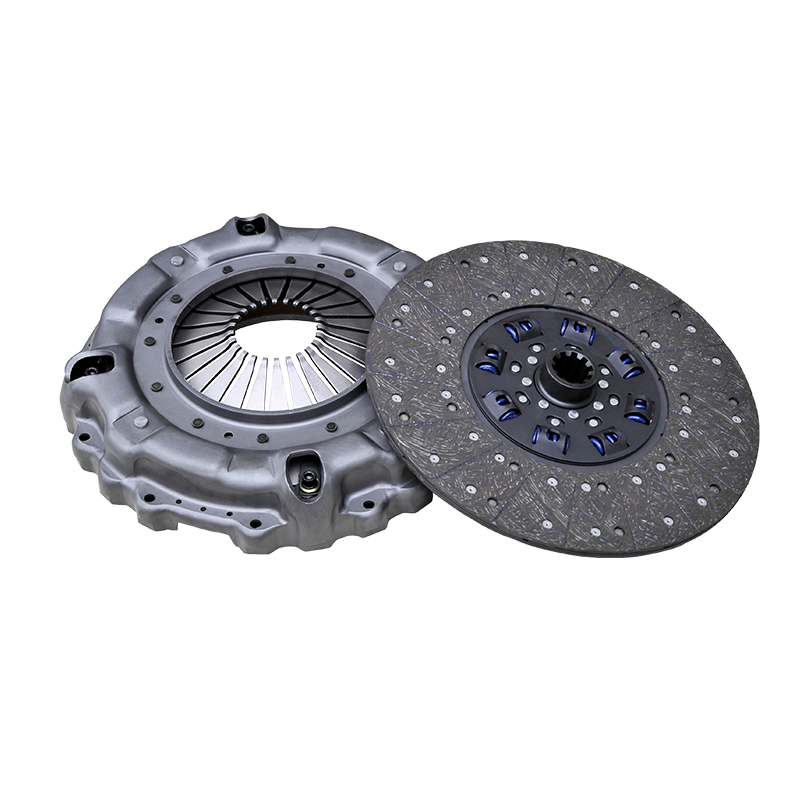
A heavy duty truck 430 pull clutch assembly serves as the primary connection between the engine and the transmission system, allowing controlled engagement and disengagement of power. Unlike push-type clutches, pull-type clutch assemblies operate by pulling the release mechanism, which can offer smoother engagement and longer service life under high-torque applications. The assembly typically includes a clutch disc, pressure plate, release bearing, and associated components designed to withstand significant mechanical stress.
The performance of the clutch assembly directly influences truck drivability, gear shifting, and the prevention of drivetrain damage. A failing heavy duty truck 430 pull clutch assembly can result in decreased engine efficiency, increased maintenance costs, and potential downtime for commercial vehicles. Identifying early signs of wear or damage is essential to maintaining operational efficiency.
Common signs that a heavy duty truck 430 pull clutch assembly requires replacement
Recognizing the indicators of a failing heavy duty truck 430 pull clutch assembly can help prevent more severe mechanical issues. These signs can manifest as changes in vehicle behavior, unusual noises, or physical wear on components. Fleet managers and truck owners should pay attention to the following key indicators.
Slipping clutch during acceleration
One of the most prominent signs that a heavy duty truck 430 pull clutch assembly may need replacement is clutch slippage. Slipping occurs when the clutch disc fails to maintain full contact with the flywheel, causing a loss of power transmission. Drivers may notice that the engine revs increase without a corresponding increase in vehicle speed, particularly during acceleration or under heavy loads. Persistent clutch slippage can lead to further damage to the pressure plate, flywheel, and other drivetrain components.
Difficulty in shifting gears
A failing heavy duty truck 430 pull clutch assembly can make gear changes difficult or rough. This often indicates that the clutch is not fully disengaging when the pedal is pressed, which can create resistance while shifting. Symptoms may include grinding noises, resistance in the gear lever, or inconsistent gear engagement. Ignoring these signs may cause damage to the transmission system, increasing repair costs significantly.
Unusual noises from the clutch assembly
Noises such as squealing, rattling, or grinding from the clutch area can indicate wear in the heavy duty truck 430 pull clutch assembly. These sounds often originate from the release bearing, pressure plate, or worn clutch disc. The presence of abnormal noises, particularly during clutch engagement or disengagement, should be treated as a serious indicator that replacement may be required. In commercial trucks, noise-related issues can affect both driver comfort and operational reliability.
Strong vibrations during clutch engagement
A heavy duty truck 430 pull clutch assembly that produces excessive vibrations during engagement may have warped components, uneven wear, or misalignment. Drivers may feel vibrations through the clutch pedal or the vehicle floor when engaging the clutch. Such vibrations not only reduce driving comfort but can also accelerate wear on other drivetrain components. Persistent vibration is a clear indicator that the clutch assembly should be inspected and potentially replaced.
Burning smell or visible signs of overheating
A noticeable burning smell while operating the truck can indicate overheating within the heavy duty truck 430 pull clutch assembly. Overheating typically results from excessive slippage or friction due to worn clutch components. In some cases, visual inspection may reveal discoloration or glazing on the clutch disc surface. Ignoring overheating can lead to permanent damage to the clutch assembly and associated transmission components.
Increased pedal effort or inconsistent clutch engagement
Changes in clutch pedal behavior are another indicator of a failing heavy duty truck 430 pull clutch assembly. Drivers may experience a pedal that is stiffer or softer than usual, or notice inconsistent engagement points where the clutch suddenly grabs or slips. Such changes often signal wear in the release mechanism, pressure plate, or hydraulic system. Addressing these symptoms early can prevent unexpected vehicle downtime and costly repairs.
Reduced fuel efficiency and engine performance
A worn heavy duty truck 430 pull clutch assembly can negatively impact fuel efficiency and overall engine performance. Slippage or incomplete engagement causes the engine to work harder to transmit power, which increases fuel consumption. Fleet operators may notice higher operating costs and decreased productivity if a failing clutch assembly is not replaced promptly. Monitoring fuel performance trends can serve as an early warning sign of clutch issues.
Inspection and maintenance tips for heavy duty truck 430 pull clutch assembly
Preventive maintenance is critical to extending the service life of a heavy duty truck 430 pull clutch assembly. Regular inspection and maintenance not only reduce the risk of unexpected failures but also ensure operational efficiency for heavy-duty trucks.
Routine visual inspections
Performing routine visual inspections of the clutch assembly components can reveal early signs of wear. Look for scoring, cracks, or excessive wear on the clutch disc, pressure plate, and release bearing. Pay particular attention to the surface condition of the clutch disc and the alignment of components, as irregularities can indicate the need for replacement.
Monitoring pedal and engagement behavior
Regularly assessing clutch pedal feel and engagement can help detect early issues. Inconsistent engagement, unusual resistance, or vibrations can all point to problems within the heavy duty truck 430 pull clutch assembly. Drivers should report any changes in pedal behavior to maintenance personnel for further inspection.
Checking for oil contamination
Oil or grease contamination on the clutch disc can cause slippage and reduced performance. Inspecting the assembly for leaks from the engine or transmission is essential. Cleaning the affected components or replacing the clutch assembly may be necessary to restore normal functionality.
Keeping a maintenance log
Documenting inspections, repairs, and replacements for the heavy duty truck 430 pull clutch assembly ensures a comprehensive maintenance history. Fleet operators can use this data to track component longevity, identify recurring issues, and schedule proactive replacements before catastrophic failure occurs.
Industry considerations for heavy duty truck 430 pull clutch assembly replacement
Replacement decisions for a heavy duty truck 430 pull clutch assembly should not only consider technical indicators but also align with industry best practices and operational requirements.
Operational cost management
Replacing a failing clutch assembly proactively can reduce overall operational costs by preventing secondary damage to the transmission and engine. In heavy-duty trucking, minimizing downtime is critical, and timely replacement of clutch components ensures continuity of operations.
Safety and regulatory compliance
A worn or damaged heavy duty truck 430 pull clutch assembly may compromise vehicle safety. Ensuring proper functionality is important not only for mechanical reliability but also for compliance with safety regulations governing commercial truck operation. Fleet operators must consider these factors when scheduling inspections and replacements.
Supply chain and availability
Understanding the availability of replacement components is essential for minimizing downtime. Maintaining a reliable supply of clutch assemblies and related parts ensures that maintenance schedules are not delayed, which can directly impact productivity and revenue.
Training and technical expertise
Proper installation and replacement of a heavy duty truck 430 pull clutch assembly require trained personnel. Incorrect handling or installation can result in premature failure or further mechanical damage. Investing in skilled technicians and appropriate training is a best practice in fleet management and truck maintenance.
Benefits of timely replacement of heavy duty truck 430 pull clutch assembly
Replacing a worn heavy duty truck 430 pull clutch assembly at the appropriate time provides several benefits for both operators and fleet managers:
- Improved vehicle performance: Smooth power transfer and gear engagement reduce engine strain.
- Enhanced safety: Properly functioning clutch assemblies prevent sudden mechanical failures.
- Lower maintenance costs: Prevents secondary damage to the transmission, flywheel, and other drivetrain components.
- Increased operational efficiency: Minimizes downtime and ensures consistent performance under heavy-duty conditions.
Conclusion
Recognizing the signs that a heavy duty truck 430 pull clutch assembly needs replacement is essential for maintaining truck reliability, operational efficiency, and safety. Indicators such as clutch slippage, difficulty shifting gears, unusual noises, vibrations, overheating, and changes in pedal behavior all suggest that replacement may be necessary. Regular inspections, preventive maintenance, and adherence to industry best practices can extend the life of the clutch assembly and reduce overall operational costs.
 English
  No.25, Hu Chuang Road, New District Industrial Park, Suzhou, Jiangsu, China.
  +86-13338663262
