 English
 русский
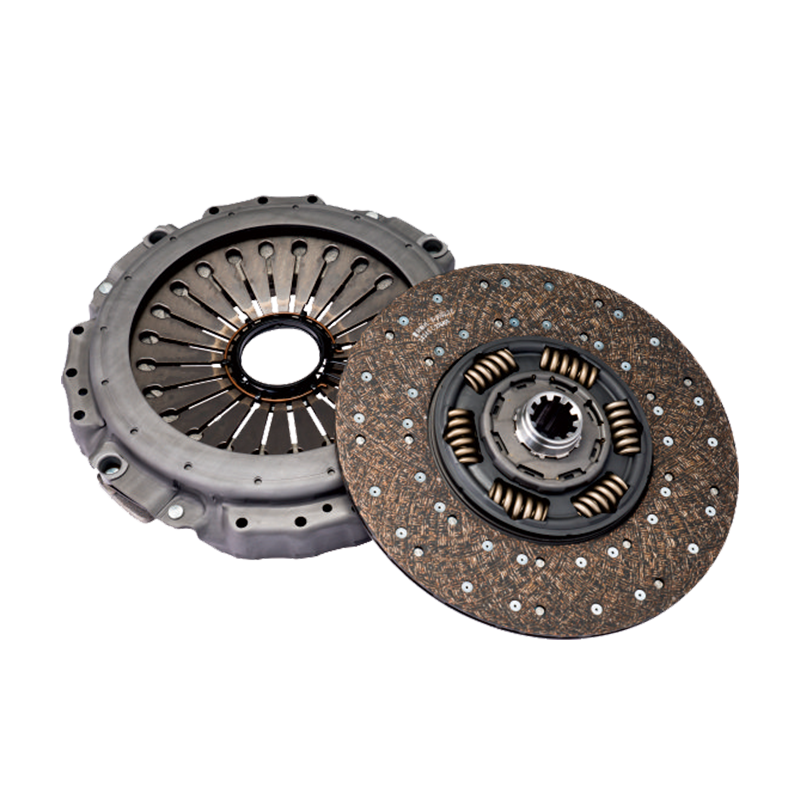
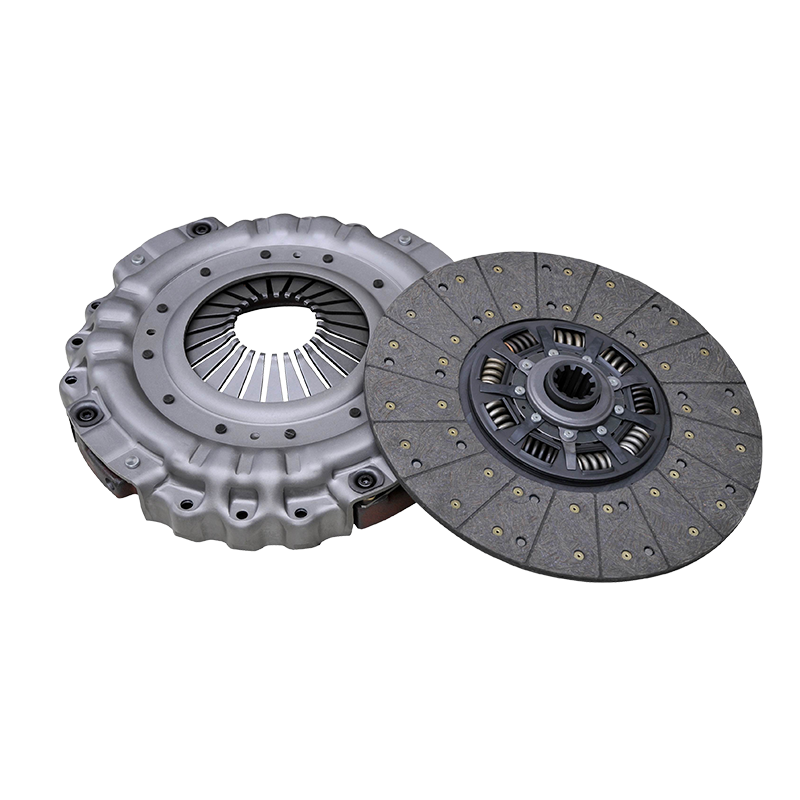
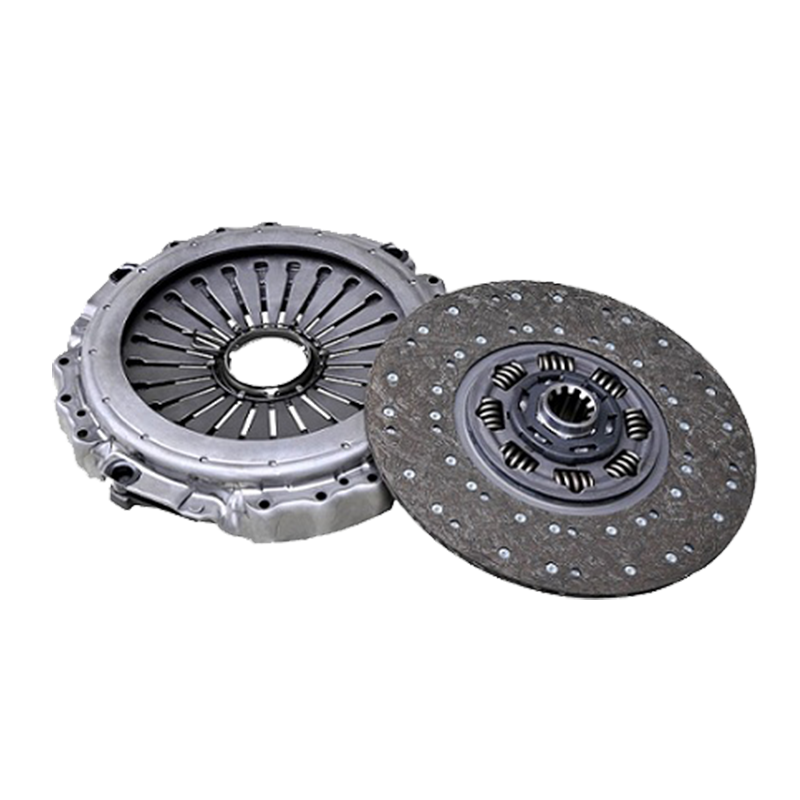
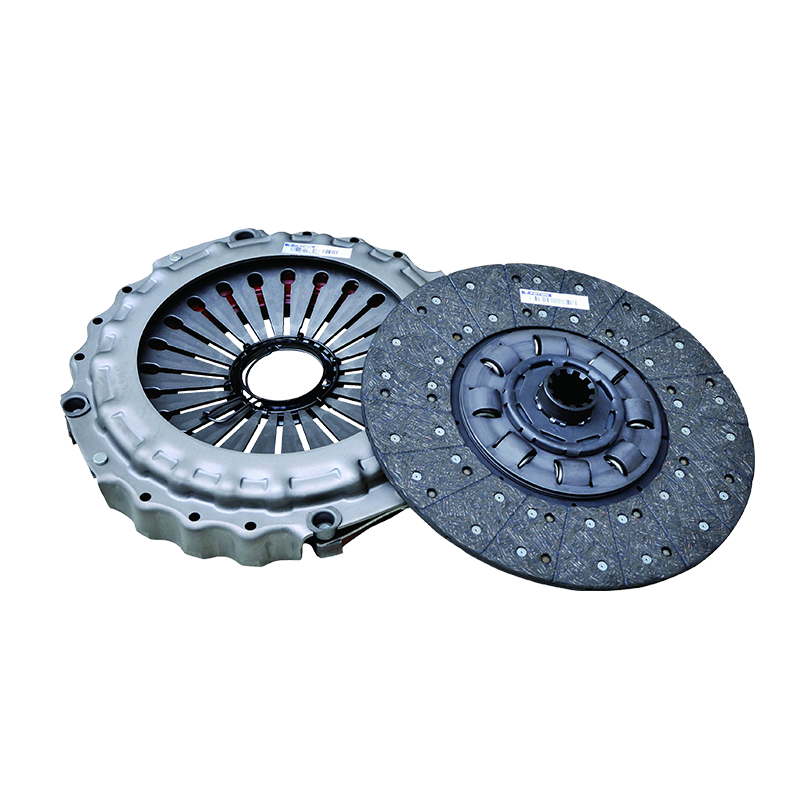
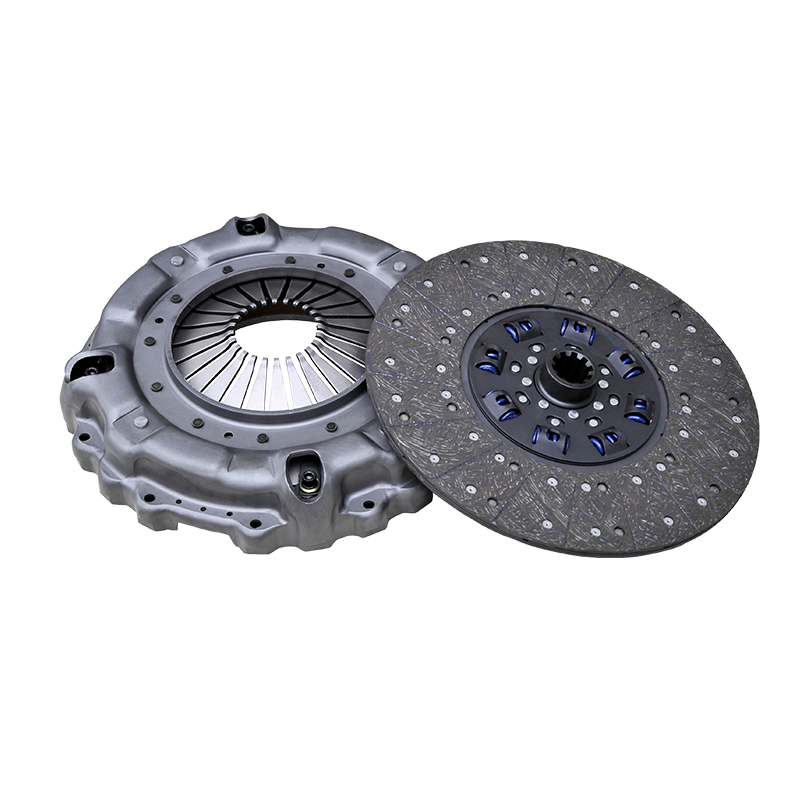
The clutch system is a critical component of any heavy-duty truck, responsible for transmitting engine power to the transmission efficiently. Among the various types of clutch mechanisms, the Heavy Duty Truck 430 Pull Type Clutch Disc Assembly and the push-type clutch disc assembly are widely used in commercial vehicles.
Overview of the Heavy Duty Truck 430 Pull Type Clutch Disc Assembly
A Heavy Duty Truck 430 Pull Type Clutch Disc Assembly is specifically designed for heavy-load vehicles, providing durable engagement and smooth operation under strenuous conditions. The pull-type design derives its name from the mechanism by which the clutch engages: the release bearing pulls the diaphragm spring toward the transmission, allowing the disc to disengage from the flywheel. This method contrasts with the push-type assembly, where the bearing pushes the diaphragm spring to disengage the clutch.
Key attributes of the Heavy Duty Truck 430 Pull Type Clutch Disc Assembly include high torque handling, enhanced wear resistance, and improved thermal stability. These features make it suitable for applications such as long-haul trucks, construction vehicles, and vehicles that require frequent gear changes under load.
Design Differences Between Pull-Type and Push-Type Clutch Disc Assemblies
Diaphragm Spring Operation
The primary difference between the Heavy Duty Truck 430 Pull Type Clutch Disc Assembly and a push-type clutch disc assembly lies in the diaphragm spring mechanism. In pull-type assemblies, the release bearing pulls the spring inward, compressing it to disengage the clutch. This mechanism allows for more consistent pedal feel and typically reduces stress on the release bearing, extending its service life.
In push-type assemblies, the bearing pushes the diaphragm spring outward to disengage the clutch. While push-type designs are common in smaller or medium-duty vehicles, they may experience higher bearing wear under heavy-duty conditions, leading to more frequent maintenance intervals.
Torque Capacity and Performance
The Heavy Duty Truck 430 Pull Type Clutch Disc Assembly is engineered to handle higher torque loads. The pull-type design distributes force evenly across the disc, providing better heat dissipation and preventing localized wear. Push-type clutch discs, while effective for moderate loads, may not maintain optimal performance in high-torque scenarios, which can lead to slippage or premature component degradation.
Clutch Pedal Effort and Driver Comfort
Pull-type assemblies often require lower pedal effort compared to push-type assemblies, particularly in heavy-duty applications. This reduced effort translates to less driver fatigue, which is a significant advantage for long-haul operations. Push-type designs can have a slightly higher pedal force requirement, which might be manageable for occasional use but becomes a concern under prolonged driving conditions.
Material Considerations in Heavy Duty Truck 430 Pull Type Clutch Disc Assembly
Materials play a critical role in the performance and longevity of a Heavy Duty Truck 430 Pull Type Clutch Disc Assembly. Typically, the friction disc is made from a high-strength composite material capable of withstanding elevated temperatures. The diaphragm spring is constructed from tempered steel to ensure durability and consistent engagement over the life of the clutch.
In contrast, some push-type assemblies may utilize less heat-resistant materials, which could lead to faster wear and reduced performance under sustained heavy-duty operation. The selection of friction materials in pull-type assemblies is often optimized to balance durability, smooth engagement, and vibration dampening, which contributes to overall vehicle reliability.
Maintenance and Longevity
One of the advantages of the Heavy Duty Truck 430 Pull Type Clutch Disc Assembly is reduced maintenance frequency. Because the pull-type design places less direct stress on the release bearing and evenly distributes engagement forces, the assembly tends to exhibit longer service intervals. Regular inspection and adjustment, including checking for wear on the friction disc and diaphragm spring, ensure that the clutch maintains optimal performance over time.
Push-type clutch disc assemblies may require more frequent bearing replacement and adjustment, particularly when used in heavy-duty or high-mileage applications. This difference can have a significant impact on total cost of ownership and downtime for commercial fleets.
Installation and Compatibility Considerations
Installing a Heavy Duty Truck 430 Pull Type Clutch Disc Assembly requires attention to alignment and torque specifications to ensure proper engagement and avoid premature wear. Proper alignment of the transmission input shaft and clutch disc splines is crucial. While installation procedures are similar to push-type assemblies, the engagement mechanics of pull-type designs necessitate careful handling to ensure that the diaphragm spring is not stressed or damaged during installation.
Compatibility with various truck models is another consideration for buyers. The Heavy Duty Truck 430 Pull Type Clutch Disc Assembly is designed to meet the specifications of a range of heavy-duty vehicles, making it versatile for different manufacturers while maintaining high performance standards.
Performance in Harsh Environments
Heavy-duty trucks often operate in challenging environments, including construction sites, mountainous regions, and long-haul routes with varying terrain. The Heavy Duty Truck 430 Pull Type Clutch Disc Assembly is engineered to maintain consistent engagement and disengagement under high thermal loads, dust, and vibration. Its design minimizes the risk of clutch fade, a condition where friction efficiency decreases due to overheating, which is more common in push-type assemblies under similar conditions.
Buyer Considerations for Heavy Duty Truck 430 Pull Type Clutch Disc Assembly
When considering a purchase of a Heavy Duty Truck 430 Pull Type Clutch Disc Assembly, buyers should evaluate key factors such as torque capacity, expected service life, compatibility with vehicle models, and maintenance requirements. Additionally, many buyers search for OEM-quality parts, high heat resistance, and smooth pedal feel when selecting a clutch assembly for heavy-duty applications.
Other important considerations include warranty coverage, availability of replacement components, and overall reliability in high-stress operations. Investing in a well-engineered pull-type assembly can result in lower maintenance costs and reduced vehicle downtime over the life of the truck.
Industry Insights and Trends
The heavy-duty truck industry continues to evolve with demands for improved fuel efficiency, higher payload capacity, and enhanced reliability. The Heavy Duty Truck 430 Pull Type Clutch Disc Assembly is increasingly preferred in sectors where performance and longevity are critical. Manufacturers are focusing on innovations such as advanced friction materials, vibration dampening designs, and improved spring mechanics to enhance overall clutch performance.
Moreover, with stricter environmental and safety regulations, the durability and efficiency of the pull-type clutch disc assembly contribute to compliance and operational reliability, making it a standard choice in modern heavy-duty vehicle design.
Comparison Table: Pull-Type vs. Push-Type Clutch Disc Assemblies
| Feature | Heavy Duty Truck 430 Pull Type Clutch Disc Assembly | Push-Type Clutch Disc Assembly |
|---|---|---|
| Engagement Mechanism | Bearing pulls diaphragm spring inward | Bearing pushes diaphragm spring outward |
| Torque Capacity | High | Moderate |
| Pedal Effort | Lower, smoother | Higher, can be less consistent |
| Bearing Stress | Reduced | Increased under heavy load |
| Heat Resistance | Optimized for heavy-duty | Moderate, may fade under load |
| Maintenance Frequency | Lower, longer service life | Higher, more frequent adjustments |
| Suitability | Long-haul, high-load vehicles | Light to medium-duty vehicles |
 English
  No.25, Hu Chuang Road, New District Industrial Park, Suzhou, Jiangsu, China.
  +86-13338663262
