 English
 русский
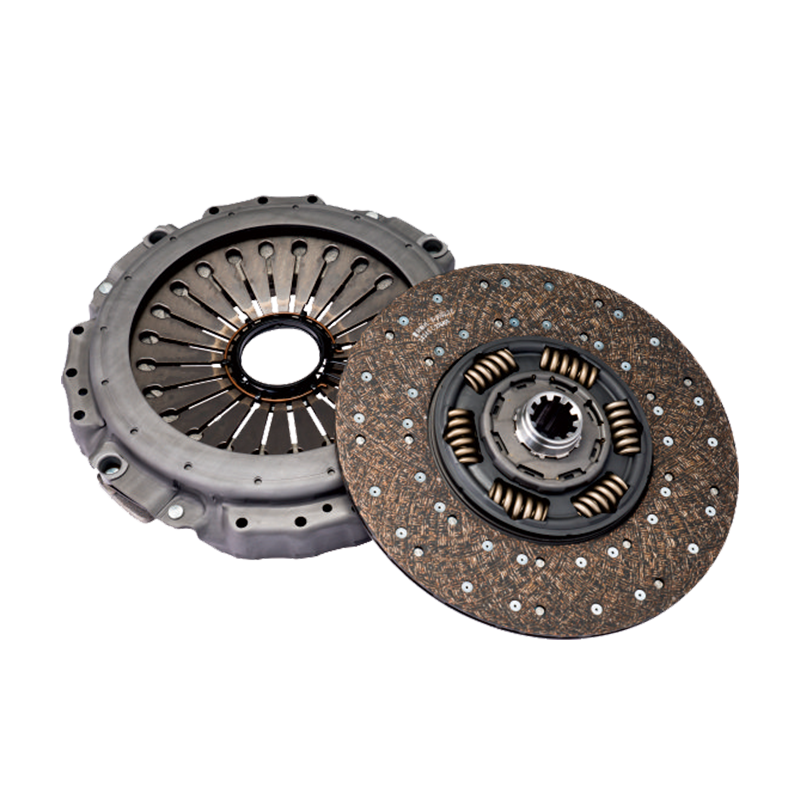
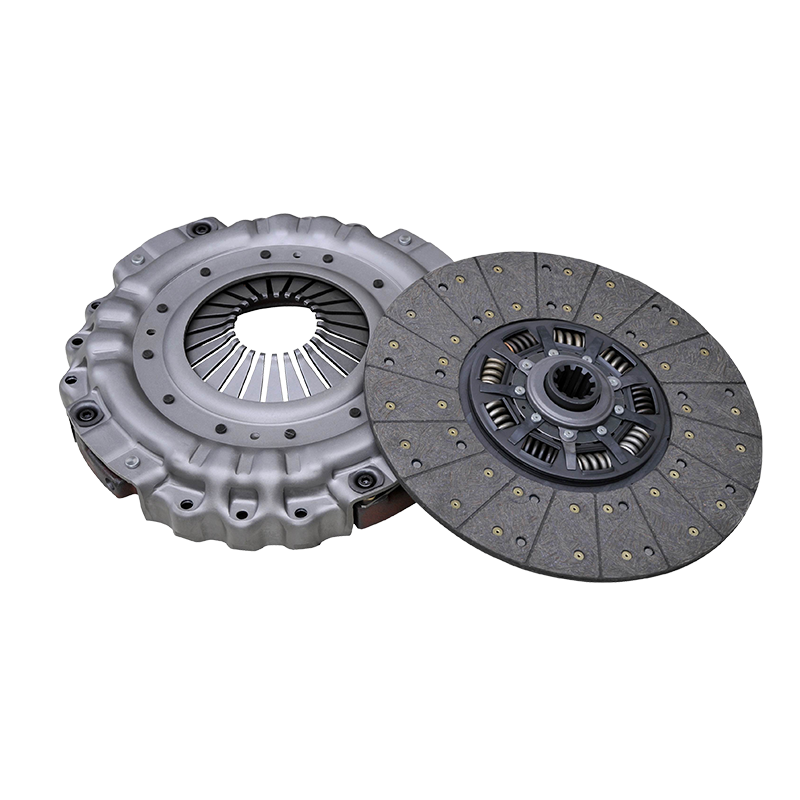
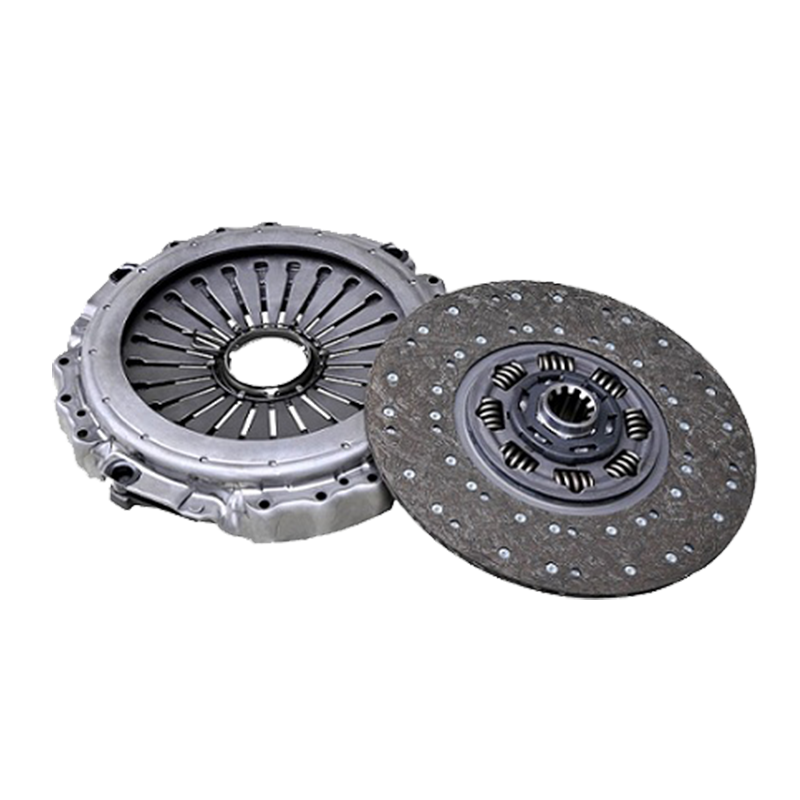
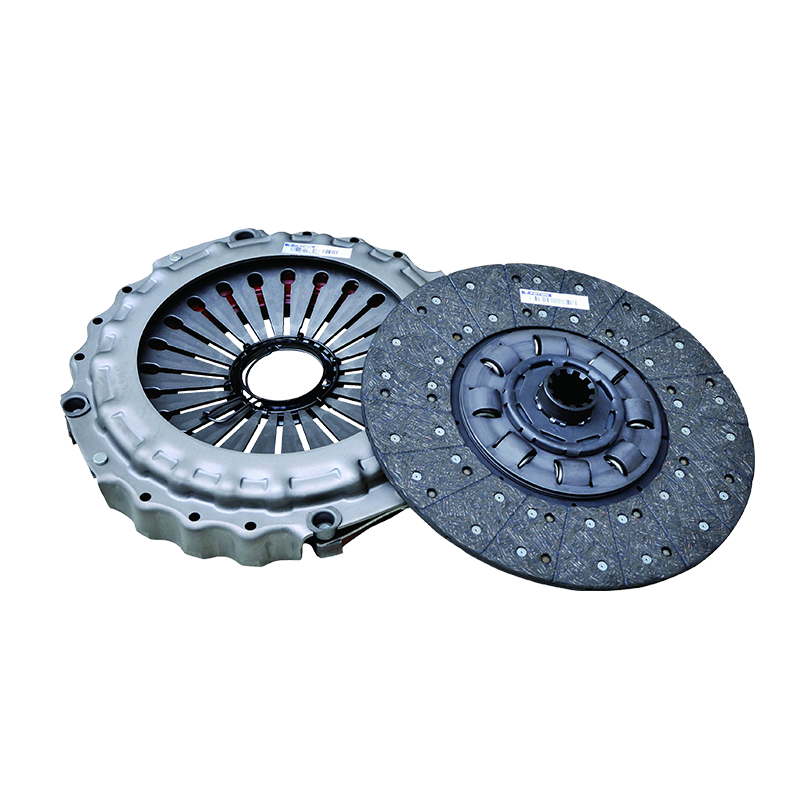
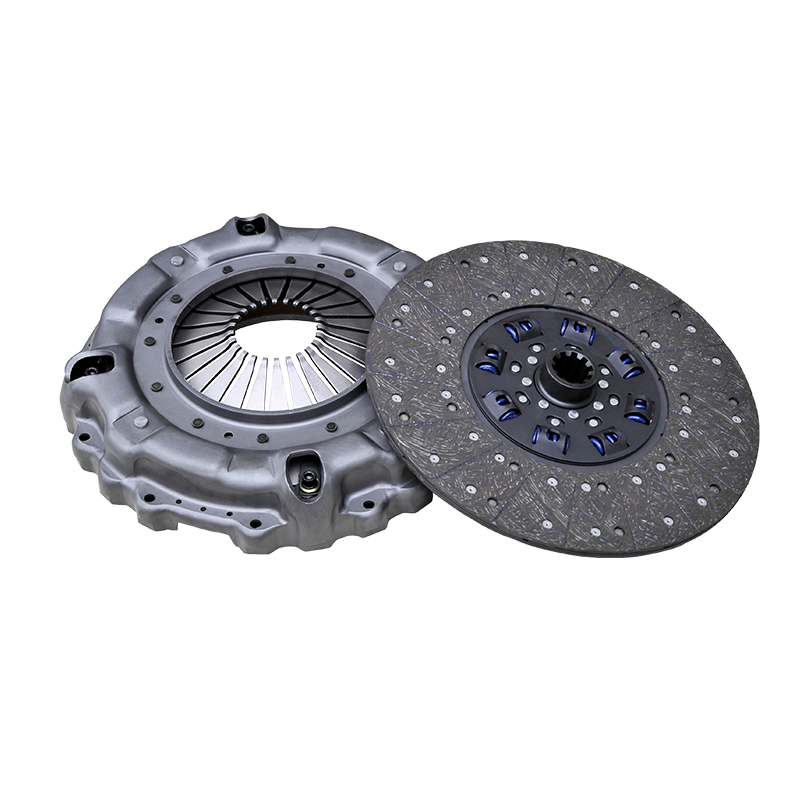
Heavy duty truck 430 pull type clutch disc assembly is a crucial component in the drivetrain of heavy-duty vehicles, ensuring smooth power transmission from the engine to the transmission system. Over time, wear and tear on this assembly can compromise vehicle performance, fuel efficiency, and safety. Regular inspection and proper maintenance are essential to identify issues before they escalate into costly repairs or failures.
Understanding heavy duty truck 430 pull type clutch disc assembly
The heavy duty truck 430 pull type clutch disc assembly consists of several components designed to manage torque transfer efficiently. These components typically include:
- Friction disc: The primary element responsible for transmitting engine torque while allowing controlled slippage.
- Hub and spline assembly: Provides a secure connection to the transmission input shaft.
- Dampening springs: Absorb torsional vibrations and reduce shock loads.
- Clutch facings: Friction material bonded to the disc that engages with the flywheel and pressure plate.
The construction of the clutch disc assembly allows it to withstand high torque, extreme temperatures, and repetitive stress cycles. However, factors such as heavy load operation, frequent stop-and-go driving, and improper use can accelerate wear, leading to slippage, abnormal noise, or complete failure.
Importance of regular inspection
Inspecting the heavy duty truck 430 pull type clutch disc assembly is critical for several reasons:
- Safety: Worn clutch components can cause unexpected disengagement, increasing accident risk.
- Performance: Properly maintained clutch assemblies ensure smooth gear shifts and consistent vehicle operation.
- Cost-efficiency: Early detection of wear prevents secondary damage to the transmission or flywheel.
The inspection process focuses on detecting wear, deformation, contamination, and signs of material fatigue.
Signs of wear in heavy duty truck 430 pull type clutch disc assembly
Identifying wear in a heavy duty truck 430 pull type clutch disc assembly involves both visual and tactile inspections. Common indicators include:
- Reduced friction lining thickness: Thin or uneven friction material can compromise engagement.
- Hot spots or discoloration: Areas exposed to excessive heat may show blueing, cracking, or glazing.
- Spring fatigue: Worn or broken dampening springs reduce vibration absorption.
- Contamination: Oil, grease, or debris on friction surfaces reduces effectiveness and accelerates wear.
Table 1 summarizes typical wear signs and their potential impact on vehicle performance.
| Wear Sign | Description | Potential Impact |
|---|---|---|
| Friction lining wear | Material thickness below recommended limit | Slippage, delayed engagement |
| Heat spots | Blue or darkened patches on friction surface | Reduced torque transmission, glazing |
| Broken springs | Damaged dampening springs | Excessive vibration, noise |
| Contamination | Oil or dirt on disc surface | Poor friction, increased wear |
Heavy duty truck 430 pull type clutch disc assembly wear is often progressive. Detecting subtle changes early allows maintenance teams to address issues before failure occurs.
Inspection procedure for heavy duty truck 430 pull type clutch disc assembly
The inspection of a heavy duty truck 430 pull type clutch disc assembly requires a systematic approach, combining visual examination, measurement, and functional testing.
Step 1: Safety preparation
Prior to inspection, ensure that the vehicle is immobilized and that the engine is off. Standard precautions include:
- Disconnecting the battery to prevent accidental engagement.
- Securing the vehicle with wheel chocks.
- Wearing protective gloves and eye protection.
These measures protect the technician and prevent damage to components during inspection.
Step 2: Removal of the clutch assembly
Inspection requires access to the clutch disc, which typically involves:
- Removing the transmission according to vehicle specifications.
- Detaching the pressure plate carefully to avoid damaging the heavy duty truck 430 pull type clutch disc assembly.
- Marking the relative positions of the flywheel, pressure plate, and clutch disc to facilitate accurate reassembly.
Handling the assembly with care is essential to prevent accidental bending or contamination.
Step 3: Visual inspection
Visual examination focuses on surface condition, alignment, and structural integrity:
- Friction material: Check for cracking, glazing, or uneven wear.
- Disc warping: Examine for bending or irregular curvature.
- Rivets: Ensure rivets are intact and not protruding beyond the friction surface.
- Hub and spline: Look for corrosion, deformation, or excessive wear.
Step 4: Measurement of wear
Accurate measurement of the friction lining thickness is a core aspect of the inspection. Recommended practices include:
- Using a calibrated micrometer or thickness gauge.
- Comparing measured thickness against manufacturer specifications.
- Documenting all measurements for maintenance records.
Table 2 provides a sample checklist for documenting wear measurements.
| Component | Measured Value | Recommended Limit | Wear Status |
|---|---|---|---|
| Friction lining | 8.5 mm | 9.0 mm minimum | Slight wear |
| Dampening springs | Intact | Functional | Good |
| Hub splines | No deformation | No wear | Good |
| Rivets | Flush | Not protruding | Acceptable |
Step 5: Functional testing
While off-vehicle, limited functional checks can identify potential issues:
- Rotating the hub to detect binding or unusual resistance.
- Compressing dampening springs to assess stiffness and resilience.
- Inspecting the disc for lateral movement or play that exceeds tolerance.
Heavy duty truck 430 pull type clutch disc assembly that passes these checks is typically suitable for reinstallation, provided wear is within acceptable limits.
Common issues revealed during inspection
Through systematic inspection, technicians often encounter several recurrent issues:
- Uneven wear: Often caused by misalignment or improper clutch engagement.
- Glazing: Surface heat buildup during aggressive operation may cause shiny, hardened areas.
- Contamination: Oil or grease intrusion can reduce friction efficiency.
- Spring failure: Fatigue from repeated torsional stress can reduce vibration damping.
Understanding these issues allows fleet managers to implement corrective measures, such as resurfacing the flywheel, replacing worn springs, or ensuring proper lubrication practices.
Best practices for prolonging clutch disc life
Proper inspection complements operational best practices that extend the life of a heavy duty truck 430 pull type clutch disc assembly:
- Avoid prolonged clutch slipping, which accelerates friction material wear.
- Maintain engine and transmission alignment to prevent uneven disc engagement.
- Conduct regular inspections according to vehicle mileage or operational cycles.
- Ensure the flywheel and pressure plate surfaces are smooth, clean, and free of debris.
- Replace worn or damaged components promptly to avoid secondary damage.
Reinstallation and post-inspection steps
After inspection, reinstallation should adhere to precise procedures:
- Align the clutch disc with the flywheel using a proper alignment tool.
- Torque bolts to manufacturer-recommended specifications to avoid distortion.
- Verify free rotation of the hub and proper engagement with the transmission input shaft.
Post-installation testing involves:
- Engaging and disengaging the clutch to check for smooth operation.
- Driving the vehicle under controlled conditions to detect slippage or abnormal noise.
Following these steps ensures that the inspected heavy duty truck 430 pull type clutch disc assembly operates reliably.
Summary
Regular inspection of the heavy duty truck 430 pull type clutch disc assembly is critical for safe and efficient operation of heavy-duty vehicles. By understanding the assembly’s components, wear indicators, and proper inspection procedures, technicians can extend service life, improve performance, and prevent costly repairs. Key takeaways include:
- Visual and tactile inspection identifies wear, contamination, and deformation.
- Accurate measurement ensures friction material is within service limits.
- Functional testing assesses hub rotation and spring performance.
- Adhering to best practices during use and maintenance reduces premature wear.
FAQ
Q1: How often should heavy duty truck 430 pull type clutch disc assembly be inspected?
Inspection frequency depends on operational conditions, but a standard guideline is every 50,000 to 80,000 miles, or sooner if performance issues are observed.
Q2: Can minor wear be repaired on heavy duty truck 430 pull type clutch disc assembly?
Minor friction surface wear can sometimes be addressed by resurfacing the flywheel and pressure plate, but worn discs with structural damage should be replaced.
Q3: What tools are required for inspecting heavy duty truck 430 pull type clutch disc assembly?
Essential tools include a micrometer or thickness gauge, alignment tools, torque wrenches, and protective equipment.
Q4: What are the most common causes of uneven wear?
Misalignment of the transmission and flywheel, aggressive clutch use, and contamination from oil or grease can cause uneven wear.
Q5: How does dampening spring fatigue affect performance?
Worn springs reduce vibration absorption, which can lead to excessive noise, harsh engagement, and premature wear of the disc and related components.
References
- Smith, J. Heavy-Duty Vehicle Drivetrain Maintenance. Automotive Press, 2021.
- Johnson, L. Clutch Systems: Theory and Practice. Transport Engineering Journal, 2019.
- Williams, R. Inspection and Maintenance of Commercial Truck Clutches. Fleet Maintenance Review, 2020.
 English
  No.25, Hu Chuang Road, New District Industrial Park, Suzhou, Jiangsu, China.
  +86-13338663262
