 English
 русский
Introduction: The Critical Link in Heavy-Duty Powertrains
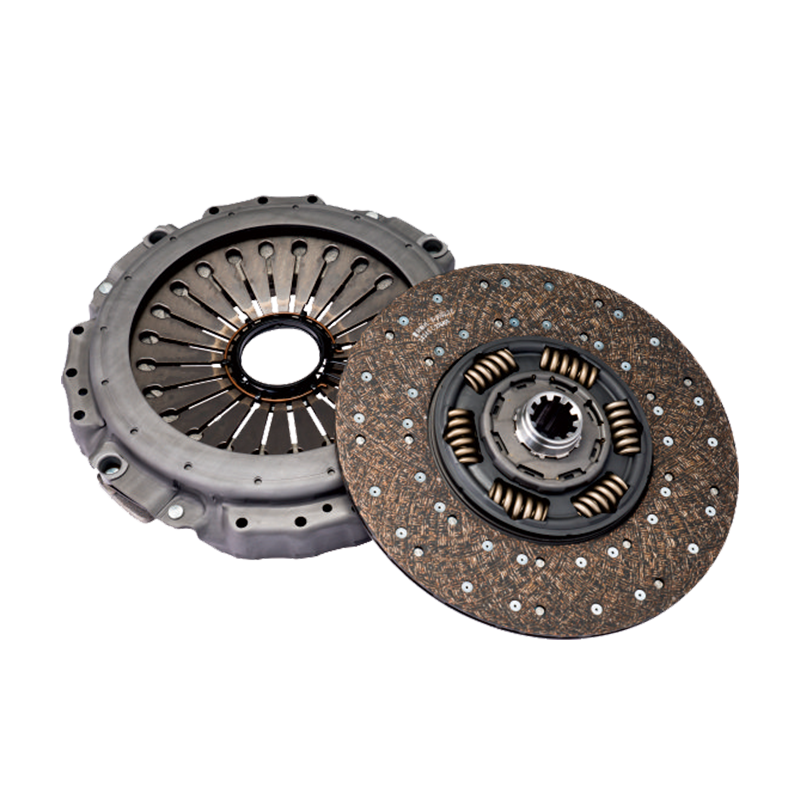
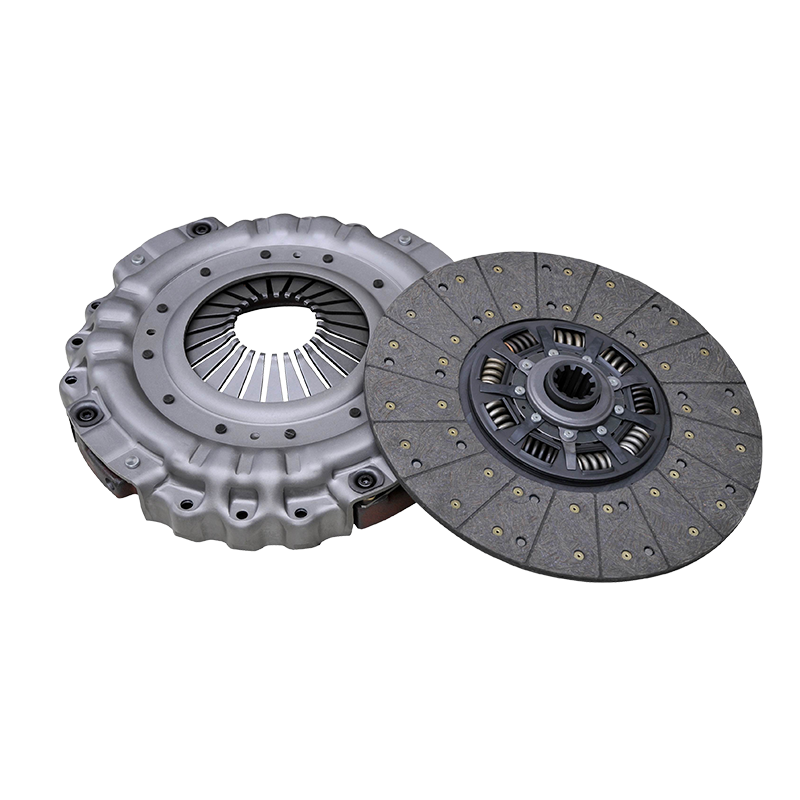
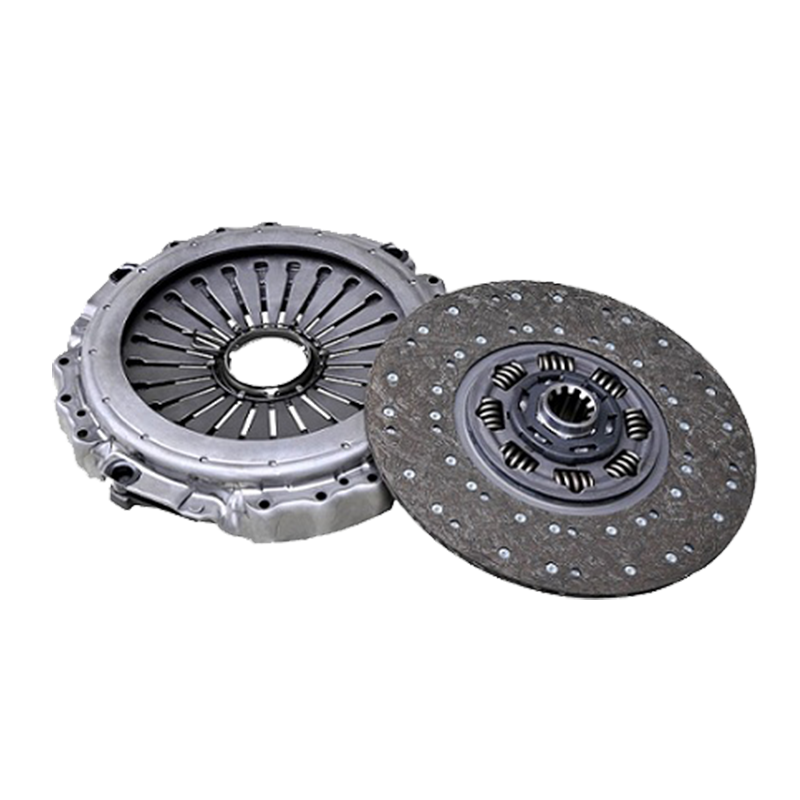
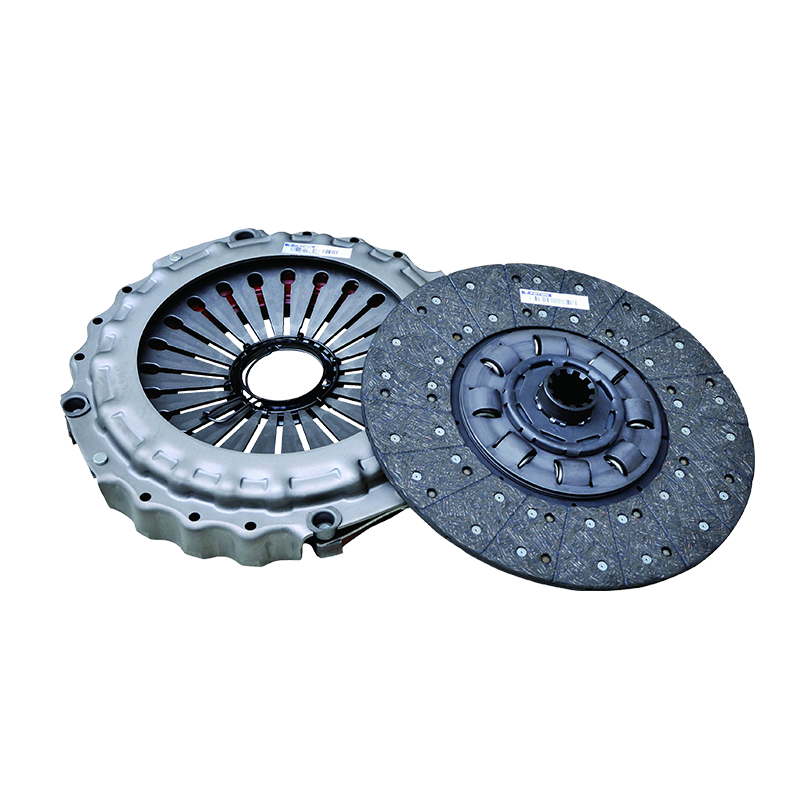
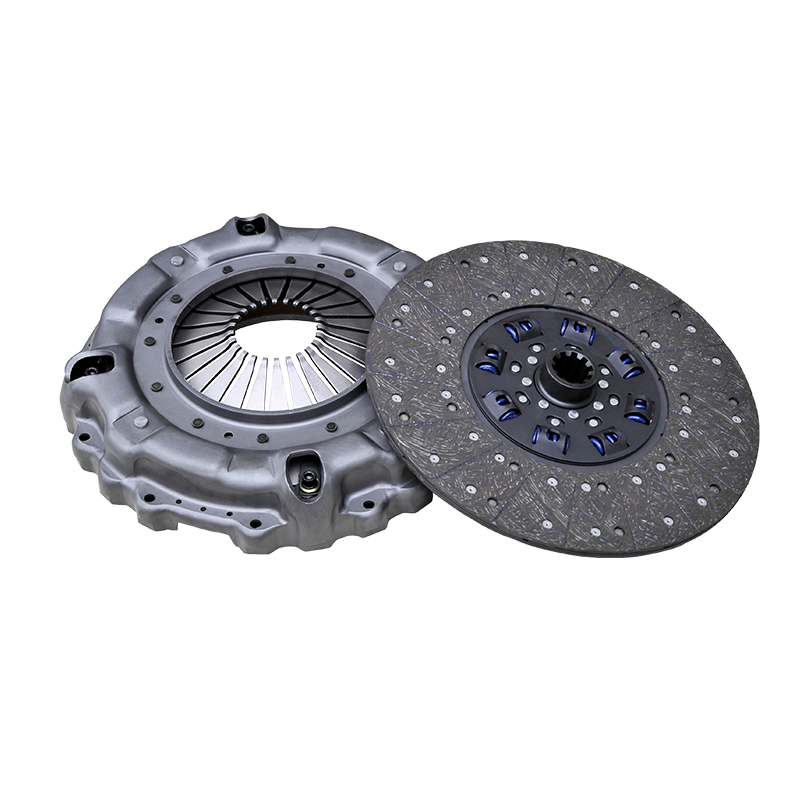
In the complex ecosystem of commercial trucking, every component must be engineered for reliability, durability, and seamless integration. The heavy duty truck 430 pull clutch assembly stands as a prime example of such a critical component. It serves as the fundamental link between the engine’s power and the transmission’s gear train, responsible for smoothly engaging and disengaging torque in some of the most demanding applications on the road. For fleet managers, maintenance supervisors, and owner-operators, understanding the specific compatibility of a clutch system is not merely a technical exercise; it is a direct factor in operational efficiency, total cost of ownership, and vehicle uptime. The central question of which vehicle models and engines the heavy duty truck 430 pull clutch assembly is designed for is, therefore, one of paramount importance.
Understanding the “430” Specification and Pull-Type Design
Before identifying specific applications, it is crucial to understand what the “430” designation signifies and the operational advantages of the pull-type design. The number typically refers to the outside diameter of the clutch disc in millimeters, which in this case is 430 mm. This measurement is a primary indicator of the assembly’s torque-handling capacity. A larger diameter generally allows for a greater surface area for the friction material, enabling the clutch to manage higher levels of torque generated by large-displacement diesel engines. This makes the heavy duty truck 430 pull clutch assembly a robust solution for medium to heavy-duty applications.
The “pull-type” mechanism refers to how the clutch is disengaged. In this design, the release bearing is pulled towards the transmission, which in turn pulls the pressure plate fingers to disengage the clutch disc from the flywheel. This is in contrast to a push-type clutch, where the bearing is pushed against the fingers. The pull-type design offers several inherent benefits for heavier applications. It often requires less pedal effort for the driver, reducing fatigue, especially in stop-and-go traffic. Furthermore, this design can contribute to a more consistent clutch feel over the component’s lifespan and is often associated with improved heat dissipation due to its typical construction. The combination of the substantial 430 mm diameter and the efficient pull-type operation defines the core identity of this assembly, positioning it for use in vehicles where high torque and driver comfort are simultaneous requirements. When searching for a replacement, buyers often use terms like “430 pull clutch compatibility” or “pull-type clutch 430 applications” to locate the correct part.
Primary Vehicle Model Applications and Common Platforms
The heavy duty truck 430 pull clutch assembly is not a universal component for every heavy-duty truck; rather, it is engineered for a specific segment of vehicles known for their reliability and widespread use in various freight and vocational roles. Its application is most commonly found in Class 7 and Class 8 trucks that form the backbone of regional hauling, distribution, and certain construction and vocational tasks. These trucks are characterized by their Gross Vehicle Weight Rating (GVWR) and are typically powered by mid-range to large-bore diesel engines.
A common application for this assembly is in a range of conventional cab trucks and tandem-axle vehicles designed for regional distribution. These models are workhorses of the logistics industry, frequently engaged in delivery routes that involve numerous gear shifts. The durability of the heavy duty truck 430 pull clutch assembly is critical in these high-cycle environments. Similarly, certain severe-service single-axle trucks, used in fields like construction or refuse collection, also utilize this clutch size. The high torque capacity and robust design help these vehicles manage the intense stress of operating under full load while frequently starting and stopping on or off-road. For buyers in the aftermarket, understanding the vehicle model is the first step. Search queries such as “430 clutch for [Vehicle Model Series]” or “clutch kit for [Common Truck Model]” are standard practice in the industry for identifying the correct assembly. The following table outlines typical vehicle categories and their operational profiles where this clutch is frequently specified.
| Vehicle Category | Typical GVWR Class | Common Operational Profile | Why the 430 Pull Clutch is Suited |
|---|---|---|---|
| Regional Haul Tractors | Class 8 | Daily shorthaul freight, frequent docking and city driving. | Manages high torque for gross combined weight, smooth engagement for precise maneuvering. |
| Vocational Trucks | Class 7/8 | Construction, refuse, logging; high idle time, off-road use. | High thermal capacity to withstand heat from slipping, durable design for shock loads. |
| Straight Trucks | Class 7 | Distribution, beverage delivery, livestock; numerous stops. | Reliable performance under high shift-cycle conditions, reduced pedal effort for driver comfort. |
Compatible Engine Specifications and Torque Requirements
The most critical factor determining the suitability of the heavy duty truck 430 pull clutch assembly is the engine with which it is paired. The assembly is specifically designed to handle the torque output of mid-range to large-bore diesel engines, typically those with displacements ranging from approximately 10 liters to 13 liters. These engines are renowned for their strong low-end torque and operational longevity, which necessitates a clutch system of commensurate strength.
Engines in this displacement range commonly produce peak torque outputs between 1,200 and 1,850 lb-ft. The heavy duty truck 430 pull clutch assembly is engineered with a torque capacity that safely and reliably exceeds these figures, providing a necessary safety margin to prevent slippage and premature wear. This margin is vital for applications involving heavy loads, steep grades, or aggressive driving styles. The clutch’s design, including the composition of its friction disc (often a ceramic or organic compound) and the clamp force of its diaphragm spring, is calibrated to transmit this level of torque efficiently while providing a manageable pedal feel.
For those in procurement roles, understanding the engine’s torque curve is as important as knowing its peak output. The heavy duty truck 430 pull clutch assembly is designed to engage smoothly across the engine’s operating range, from low RPM take-offs to high-RPM power shifts. This ensures power is delivered consistently without jarring the drivetrain, which can lead to damage elsewhere. When sourcing this part, industry professionals will often search using engine-specific terms like “clutch for [Engine Model Series]” or “430 mm clutch torque capacity” to ensure a perfect match between the engine’s power and the clutch’s capability. This precise matching is fundamental to achieving the advertised service life and performance of the assembly.
The Importance of Matching the Clutch to Drivetrain and Application
Selecting the correct heavy duty truck 430 pull clutch assembly extends beyond just the engine; it is part of a system that includes the transmission and the vehicle’s rear axle. A holistic view of the powertrain is essential for optimal performance. The clutch must be compatible with the input shaft spline count and diameter of the transmission. A mismatch here can lead to catastrophic failure. Furthermore, the overall drivetrain ratio, determined by the transmission gear ratios and the rear axle ratio, influences the load experienced by the clutch.
A vehicle configured for high-pull applications, such as a dump truck or a logger, will have a drivetrain geared for maximum torque at the wheels. This places immense stress on the entire powertrain, and the clutch must be able to withstand the initial shock of engagement under heavy load. The heavy duty truck 430 pull clutch assembly, with its robust construction and high torque capacity, is well-suited for such severe-service vocations. Conversely, a line-haul truck geared for fuel economy on highways will place a different type of demand on the clutch, with fewer but potentially high-RPM engagements. The thermal capacity of the assembly to absorb and dissipate the heat from these engagements is critical.
Therefore, the application dictates the specific features one should look for within the heavy duty truck 430 pull clutch assembly product line. For high-shock applications, an assembly with a dampened disc or a cerametallic facing might be recommended. For mixed-use applications, a standard organic facing provides smooth and quiet operation. Understanding the vehicle’s primary duty cycle—whether it is “severe service clutch application,” “on-highway clutch specs,” or “high-torque clutch requirements”—is the final piece of the puzzle in ensuring the correct component is selected. This strategic matching prevents premature wear, reduces the risk of roadside breakdowns, and maximizes the return on investment for this significant maintenance component.
Key Considerations for Buyers and Wholesalers
For wholesalers stocking this component and buyers responsible for fleet maintenance, several practical considerations are paramount. First and foremost is the assurance of quality and interchangeability. A high-quality heavy duty truck 430 pull clutch assembly should be a direct OEM replacement, requiring no modifications for installation. It should come as a complete kit, which typically includes the clutch disc, pressure plate, release bearing, and often an alignment tool. This ensures all components are engineered to work together harmoniously.
Another critical consideration is the product’s provenance and the technical support available. Reliable suppliers provide detailed application guides that list compatible vehicle makes, models, engine families, and model years. This information is vital to avoid costly misapplications. Buyers should look for assemblies that meet or exceed original equipment specifications, with features like marquenched cast covers for stress resistance and precision-balanced components to minimize vibration. In the commercial vehicle industry, search terms like “heavy duty clutch kit supplier” and “OEM quality 430 pull clutch” are commonly used to filter for reputable sources.
Finally, the total cost of ownership should be evaluated, not just the initial purchase price. A premium heavy duty truck 430 pull clutch assembly might have a higher upfront cost but can deliver significantly longer service life and better reliability. This translates into reduced vehicle downtime, lower labor costs for frequent replacements, and improved driver satisfaction. For wholesalers, understanding and communicating this value proposition to their customers is key. Highlighting the assembly’s suitability for specific, high-demand vehicle and engine combinations, as detailed in this article, allows buyers to make confident, informed purchasing decisions that support their operational and financial goals.
 English
  No.25, Hu Chuang Road, New District Industrial Park, Suzhou, Jiangsu, China.
  +86-13338663262
